
| Data Menu Jump to main website |
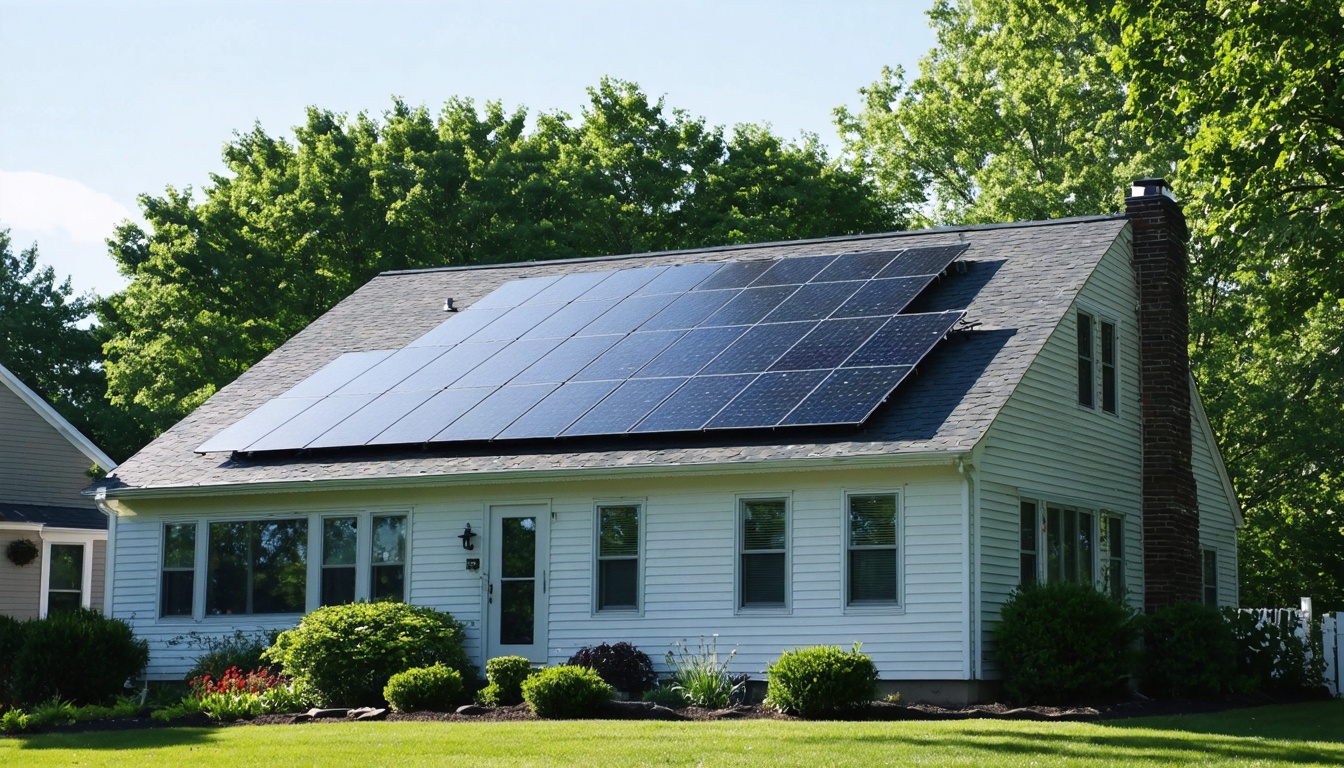
Solar Ready Roof Upgrades That Matter for Homes in New Jersey
If you are considering solar ready roof upgrades for your New Jersey home, it is essential to understand the features that have a significant impact. Upgrading to energy-efficient materials and ensuring seamless integration with solar panels can enhance property value and reduce utility expenses. With advancements in solar technology and the availability of state incentives, homeowners have the opportunity to increase their energy efficiency. However, several factors should be carefully evaluated, including the structural integrity of your roof, compatibility with existing roofing materials, and the overall financial implications of the upgrades. It is advisable to consult with roofing and solar energy professionals to assess the specific needs of your home and to determine the most cost-effective solutions that align with current technology and regulatory requirements. This approach can help ensure that you maximize the potential benefits of solar energy while maintaining the structural integrity and performance of your home.
Key Features of Energy-Efficient Roofing Materials
When assessing energy-efficient roofing materials for residential properties in New Jersey, it is important to focus on materials with high solar reflectivity, which can reflect up to 70% of sunlight. Materials certified by organizations such as Energy Star® or the Cool Roof Rating Council are recommended, as these certifications ensure compliance with recognized energy efficiency standards.
Additionally, roofing materials that work well with existing attic insulation can improve overall energy performance.
Durability is also a significant consideration; roofing materials that have a longer lifespan can decrease the need for frequent replacements, consequently reducing environmental waste resulting from roofing removal and disposal.
Homeowners should seek detailed estimates or inspections to understand the financial implications associated with various roofing options. Investigating available financial programs and assistance tools can also be beneficial in managing costs.
Furthermore, reviewing frequently asked questions or official press releases may offer additional insights into the most effective services currently available. For further guidance, consumers are encouraged to seek professional consultations from a Solar Roofing Company.
Top Solar-Ready Roofing Options for New Jersey Homes
When preparing a home for solar energy installation, the choice of roofing material is essential, as different materials support solar panel systems at varying levels. In New Jersey, several roofing options stand out for their compatibility with solar energy systems.
Metal roofing is often recommended due to its durability and energy efficiency. It provides a solid base for solar panels and has a long lifespan. Additionally, metal roofs can reflect solar energy, which may aid in energy management by reducing heat absorption.
Architectural asphalt shingles represent another viable option. These shingles possess advantages such as cool roof properties, which help manage heat and can lead to lower energy consumption. They are designed to reflect a greater amount of sunlight, potentially lowering cooling costs during the warmer months.
Synthetic slate roofing combines aesthetic appeal with desirable performance characteristics. This material provides good insulation and is compatible with solar installations, making it suitable for homeowners who value both design and energy efficiency.
Clay tiles are also a noteworthy roofing option; however, their weight requires careful consideration. Homes with clay tile roofs should undergo structural assessments to ensure they can adequately support the weight of solar panels.
For flat roofs, various installation methods offer flexibility for solar panel arrangement. These systems facilitate efficient use of space, although they may require unique mounting solutions tailored to the specific roofing style.
For individuals interested in solar energy options, it is advisable to reach out to local providers for estimates, review financing alternatives, and consult informational resources to address common questions regarding solar energy and roofing solutions.
Integration of Roofing and Solar Panel Systems
Integrating roofing systems with solar panel installations is an important consideration for homeowners, especially in New Jersey. This integration supports both the structural integrity of the roof and the operational efficiency of the solar energy system. Homeowners are encouraged to select high-quality roofing materials, such as durable shingles or reflective roofing options, that are compatible with solar panel applications.
Before proceeding with installation, it is essential to conduct a thorough roof inspection to evaluate its condition and assess its suitability for solar panel systems. Additionally, obtaining a detailed cost estimate that reflects the homeowner's energy needs and roof characteristics is necessary for making informed decisions.
Adopting a combined approach to roofing and solar energy can yield cost efficiencies and a more efficient installation process. This integration can reduce disruptions to the household and may improve the lifespan of both the roofing and solar panel systems.
Homeowners are advised to engage with established service providers, as these companies can enhance the durability and reliability of the installation. For further information or resources, homeowners can consult available materials such as blogs, press releases, and frequently asked questions, or reach out for direct assistance.
Evaluating Cost and Long-Term Savings
When assessing investments in solar-ready roof upgrades, it is essential to analyze both the initial expenditures and the potential long-term financial benefits. In New Jersey, the costs related to energy-efficient shingles and professional roofing services can be relatively high. Nonetheless, such upgrades may result in a reduction of heating and cooling expenses by approximately 30%, which can lead to notable savings over time.
To alleviate the initial costs, homeowners and commercial property owners can take advantage of state programs and various financing options designed to reduce the upfront financial burden associated with roofing improvements. Additionally, certain roofing solutions come with extended warranties, potentially increasing the roof's lifespan to around fifty years, contingent on optimal conditions.
Moreover, free roof inspections are available, which can help identify maintenance needs before they escalate into expensive repairs. There is also the possibility of an increase in property resale value resulting from a well-constructed and energy-efficient roof.
Many homeowners report that they can recover their investment in roof upgrades within a timeframe of five to seven years, though this depends on specific market conditions and energy use patterns.
In conclusion, while the initial costs for solar-ready roof upgrades can be significant, the combination of potential energy savings, availability of financial assistance, and the longevity of the roof makes these upgrades a pragmatic financial consideration in the long term.
Selecting Materials for Optimal Performance in New Jersey’s Climate
Selecting appropriate roofing materials is an important decision for homeowners in New Jersey due to the state’s diverse weather patterns. The choice of roofing materials can significantly impact energy efficiency and compatibility with solar technologies.
Metal roofing has gained attention for its reflective properties, which can enhance the efficiency of solar panel systems and potentially reduce cooling costs during warmer months. Additionally, architectural shingles that are designed with Cool Roof Technology are commonly available and can provide improved insulation, contributing to potential energy savings.
Synthetic slate and shake roofs represent alternative options, offering aesthetic benefits alongside thermal insulation. Green roofing systems, which incorporate live vegetation, can enhance energy efficiency and assist with stormwater management.
When evaluating roofing materials, homeowners should conduct a thorough analysis of the costs and benefits involved. It may be prudent for homeowners to seek free estimates from local contractors to better understand pricing and consider various financing options to make informed decisions in line with their energy performance objectives and budgetary constraints.
Conclusion
Investing in solar-ready roof upgrades can be a practical decision for homeowners in New Jersey. Such upgrades involve the installation of materials suitable for solar panel integration, which can enhance energy efficiency and lower utility costs over time. Moreover, implementing a solar-ready roof can potentially increase the overall value of the property. It is important to consider local incentives and regulations when planning these upgrades. New Jersey offers various programs that may provide financial assistance or tax benefits for solar installations, which can further improve the return on investment. Understanding these factors is crucial for maximizing potential savings. As solar technology evolves, homes that are prepared for solar installations can more easily adapt to new systems. This adaptability promotes long-term sustainability and may contribute to a reduction in carbon footprint. Overall, opting for solar-ready roofing aligns with both economic and environmental considerations, making it a sensible approach for homeowners interested in these benefits.
|
|
|
|